
Fire Alarm System
A Fire Alarm System is a crucial safety mechanism designed to detect and warn individuals about the presence of fire, smoke, or carbon monoxide in a building. It provides early warnings, allowing for quick evacuation and immediate emergency response to minimize damage and save lives. Fire alarm systems are a key component of any comprehensive security plan and work seamlessly with other security products, such as intrusion alarms, CCTV cameras, and access control systems, to ensure complete protection for homes, businesses, and industrial facilities.
Key Components of a Fire Alarm System
1. Fire Alarm Control Panel (FACP): The central hub of the fire alarm system, the control panel, monitors inputs from sensors and detectors and controls alarm outputs. It processes information and activates alarms if a fire, smoke, or heat is detected. The control panel can be accessed to check the system’s status, reset alarms, or conduct maintenance.
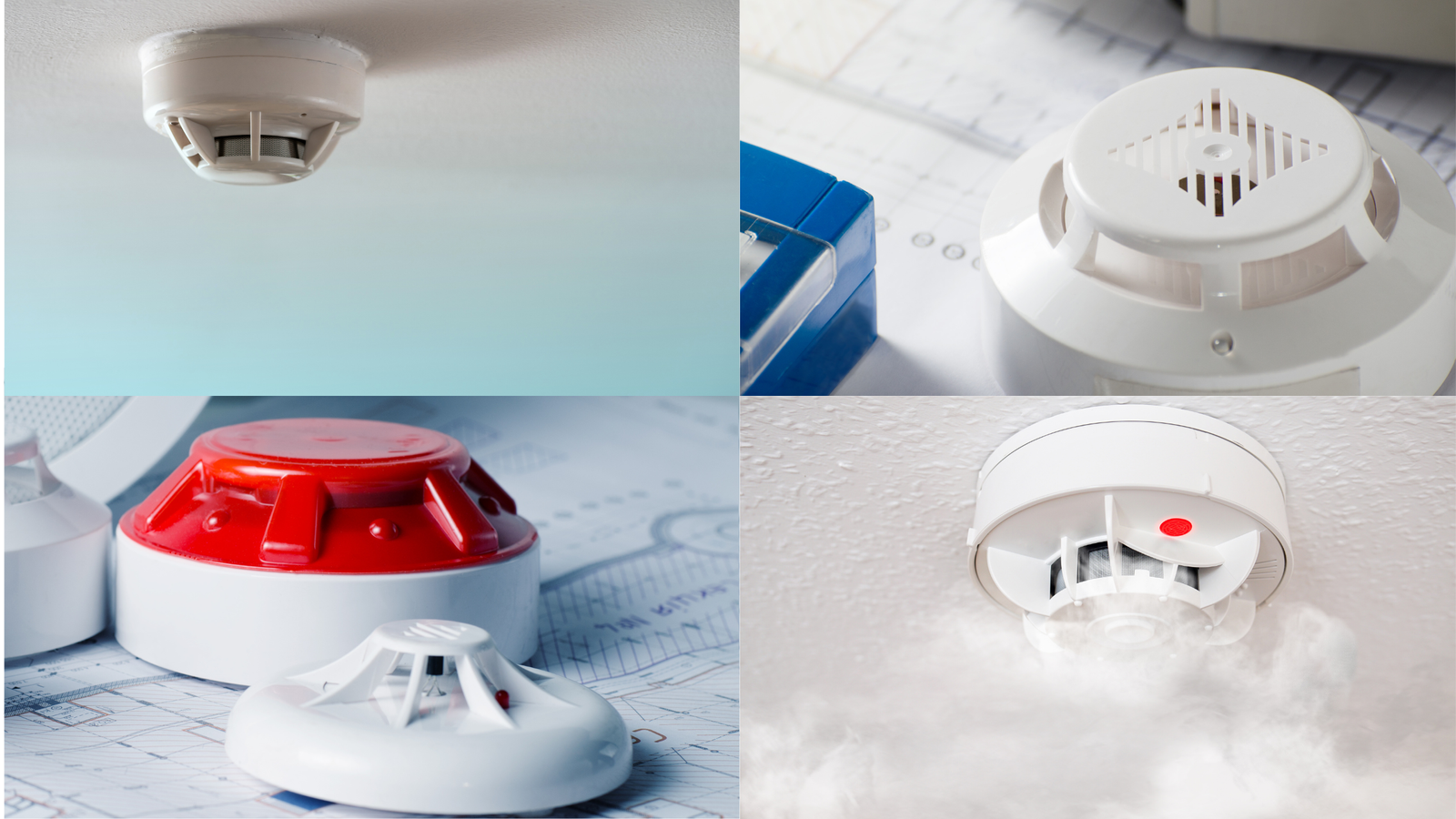
2. Smoke Detectors: Smoke detectors are one of the primary sensors in a fire alarm system. They detect the presence of smoke in the air, which is often the first sign of a fire. There are two main types of smoke detectors:
- Ionization Smoke Detectors: Best for detecting fast, flaming fires.
- Photoelectric Smoke Detectors: More effective at detecting slow, smoldering fires.
3. Heat Detectors: Heat detectors are designed to sense a rapid rise in temperature or when a specific temperature threshold is exceeded, which can indicate the presence of fire. These detectors are often used in environments where smoke detectors may give false alarms, such as kitchens or garages.
4. Manual Call Points (Pull Stations): Manual call points, or pull stations, allow occupants to manually trigger the fire alarm in case of an emergency. These are typically located near exits or along evacuation routes to enable quick activation of the alarm if a fire is detected before the automatic system is triggered.
5. Alarm Notification Devices (Sirens, Strobes, Speakers):
- Sirens and Strobes: Audible and visual alarms are triggered to alert occupants of the building to evacuate immediately. Sirens produce loud sounds, while strobes emit flashing lights, ensuring that everyone, including individuals with hearing or vision impairments, is alerted to the danger.
- Speakers: In larger or more complex buildings, fire alarm systems may include voice evacuation messages to provide clear instructions on what actions to take during an emergency.
6. Carbon Monoxide Detectors: Often integrated into fire alarm systems, carbon monoxide (CO) detectors sense dangerous levels of CO gas. Carbon monoxide is a colorless, odorless gas produced by incomplete combustion, and it can be deadly if undetected.
7. Control Modules: Control modules are used to activate other fire protection systems, such as sprinkler systems, emergency lighting, or ventilation controls, when a fire is detected. This integration ensures a coordinated and comprehensive response to fire emergencies.
8. Battery Backup: To ensure the system continues to function in case of a power outage, fire alarm systems are equipped with a backup battery. This provides continuous monitoring and alerts even when the primary power source is unavailable.
Key Features:
1. Early Detection and Warning: Fire alarm systems are designed to detect fires in their early stages, often before visible flames appear. This early detection gives occupants valuable time to evacuate and reduces the risk of injury or loss of life.
2. 24/7 Monitoring: The system constantly monitors for signs of fire or smoke, even when the building is unoccupied. It can be integrated with remote monitoring services, ensuring that any fire threat is immediately reported to emergency responders.
3. Integration with Security Systems: Fire alarm systems can be integrated with other security measures, such as CCTV cameras, access control, and intrusion alarm systems. This allows for visual verification of fire incidents and helps to manage emergency evacuations by unlocking doors or disabling security barriers.
4. Zoning: Fire alarm systems can divide a building into different zones, enabling the system to identify the exact location of the fire. This feature helps firefighters and building occupants respond more efficiently to emergencies.
5. Wireless Connectivity: Wireless fire alarm systems offer flexibility in installation, reducing the need for extensive wiring and making them suitable for buildings where traditional wired systems are difficult or costly to install.
6. Remote Access and Control: Many modern fire alarm systems provide remote access through mobile apps or web platforms, allowing users to monitor the system, receive alerts, and manage functions like silencing alarms or resetting the system from any location.
7. False Alarm Reduction: Advanced fire alarm systems use multiple sensing technologies and intelligent algorithms to differentiate between actual fire conditions and false triggers, such as steam or dust, reducing the number of false alarms.
About Us
ALEI offers a comprehensive range of security products, including CCTV, access control, gate automation, home automation, and parking solutions, delivering reliable and innovative solutions for residential and commercial security needs.