Access Control systems are security solutions designed to regulate and monitor who can enter or exit specific areas within a property, building, or facility. These systems are crucial for ensuring that only authorized personnel can access sensitive or restricted areas, enhancing overall safety and security. ALEI’s access control solutions offer cutting-edge technology and customizable options for residential, commercial, and industrial applications, working seamlessly with other security products like CCTV and alarm systems
Key Components of an Access Control System
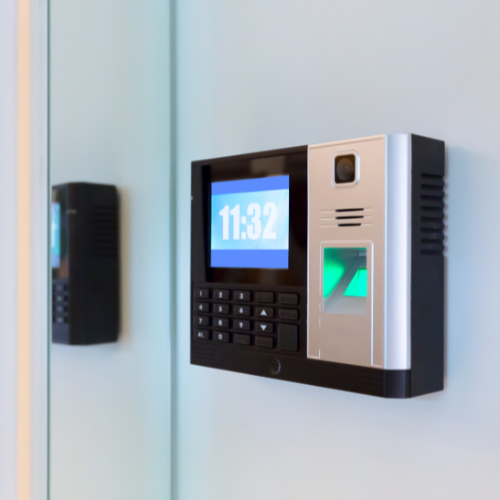
Access Control Panel: The control panel is the brain of the access control system. It manages input from access points (like doors, gates, or elevators), processes the credentials presented (such as keycards, PINs, or biometrics), and determines whether or not to grant access.
Credential Readers: Credential readers are devices installed at entry or exit points that allow users to present their credentials for verification. These can include:
Keycard Readers: Users present a keycard or fob to gain access.
PIN Keypads: Users input a personal identification number
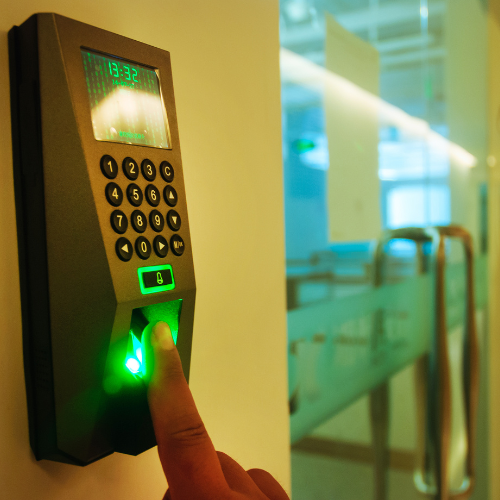
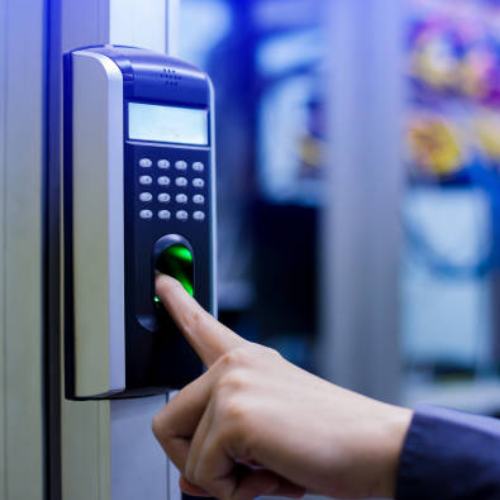
Biometric Readers: These use unique biological traits such as fingerprints, retina scans, or facial recognition to verify identity.
Mobile Credential Readers: Allow users to use smartphones as access credentials via Bluetooth or NFC (Near Field Communication).
Access Credentials: Access credentials are the method by which users are identified and authenticated. Common types include:
Keycards or Keyfobs: Small, physical devices that store access permissions.
Biometrics: Fingerprints, facial recognition, iris scans, etc.
PIN Codes: Numeric codes entered into a keypad.
Mobile Credentials: Digital credentials stored on a mobile app.
Electronic Locks: Electronic locks are installed on doors or gates and are controlled by the access control system. When a valid credential is presented, the lock is disengaged, allowing entry. These locks can include magnetic locks, electric strikes, or smart locks.
Software and User Management: Access control systems are typically managed via specialized software that allows administrators to assign access permissions, set schedules (when certain users can enter), and monitor access activity in real time. The software provides detailed reports on entry attempts, access granted or denied, and can be integrated with other security measures like CCTV for additional verification.
Network Connectivity: Modern access control systems are often network-based, meaning they can be managed remotely over the internet or through cloud-based solutions. This connectivity allows administrators to monitor and control access from any location, making it easier to manage large facilities or multiple sites.
Types of Access Control Systems
Standalone Access Control: In standalone systems, each access point operates independently. These systems are ideal for small-scale installations where only a few doors need to be controlled. For example, a single office or residential building may use keypads or card readers to control access to specific rooms.
Networked Access Control: Networked systems connect all access points to a central control panel or software. This allows for centralized management of multiple doors, gates, or entry points across different areas of a facility. This system is ideal for larger buildings, multi-site businesses, or industrial complexes.
Cloud-Based Access Control: In cloud-based access control systems, the control software is hosted online, allowing remote management via a web portal or mobile app. This system offers flexibility, easy scalability, and real-time monitoring, making it an ideal solution for businesses that need to manage multiple locations or users from a central hub.
Biometric Access Control: Biometric access control systems use unique biological characteristics such as fingerprints, retina scans, or facial recognition to verify the identity of individuals. These systems are highly secure and prevent unauthorized access through lost or stolen credentials. Biometric systems are commonly used in high-security environments like data centers or government facilities.
Mobile Access Control: This modern solution allows users to gain access using smartphones, eliminating the need for physical keys or cards. With the use of Bluetooth, NFC, or dedicated mobile apps, mobile access control systems are convenient and secure, offering users more flexibility.
Key Features and Benefits
1. Enhanced Security: Access control systems provide superior security by ensuring that only authorized individuals can enter specific areas. By eliminating the need for physical keys, which can be lost or duplicated, access control significantly reduces the risk of unauthorized access.
2. Customizable Permissions: Administrators can easily customize access permissions for different users based on their roles. For instance, employees can be granted access to work areas while restricted areas remain accessible only to management or security personnel.
3. Real-Time Monitoring: With modern access control software, administrators can monitor entry points in real time, receiving instant notifications of any suspicious activity. In case of a breach attempt, the system can trigger alarms or automatically lock down affected areas.
4. Audit Trails and Reporting: Access control systems provide detailed audit trails, showing who entered which area and at what time. This feature is particularly useful for high-security environments or businesses that need to track employee movements for compliance or safety purposes.
5. Seamless Integration: ALEI’s access control systems integrate seamlessly with other security products like CCTV cameras, intrusion alarms, and fire alarms. For example, if an unauthorized access attempt is detected, the system can automatically trigger the CCTV cameras to start recording the incident.
6. Flexible Scalability: Access control systems can be scaled to fit any size of business, from small offices to large industrial complexes. Whether you need to secure a single building or multiple sites across different locations, the system can grow with your business.
7. Time-Based Access: You can assign time-based access rules to users, allowing them to enter specific areas only during certain hours. This is useful for managing employees, contractors, or visitors who may need access only during work hours or specific shifts.
8. Remote Access Management: Cloud-based access control systems allow administrators to manage access remotely, making it easier to oversee multiple facilities or off-site locations. Users can also unlock doors or grant temporary access remotely through a mobile app.
9. Cost-Efficiency: By reducing the need for physical keys and locks, access control systems are more cost-effective in the long run. They eliminate the expense of rekeying locks when keys are lost or stolen and allow for more efficient management of large-scale facilities.
ALEI’s Access Control Solutions
At ALEI, we offer a range of advanced access control solutions that can be tailored to meet the specific needs of your home, office, or industrial facility. Our systems are designed to be reliable, user-friendly, and scalable, ensuring that you can protect your property with ease and efficiency. Whether you need a simple PIN-based system for a small office or a sophisticated biometric solution for high-security facilities, ALEI has the right access control solution for you.
Conclusion
Access Control is an essential security tool for controlling and monitoring who has access to different areas within a building or facility. With ALEI’s advanced solutions, you can ensure that your property remains secure, flexible, and easy to manage. Whether you are protecting a small office, a residential complex, or a large industrial facility, ALEI’s access control systems provide the reliability, customization, and integration needed for comprehensive protection.
About Us
ALEI offers a comprehensive range of security products, including CCTV, access control, gate automation, home automation, and parking solutions, delivering reliable and innovative solutions for residential and commercial security needs.